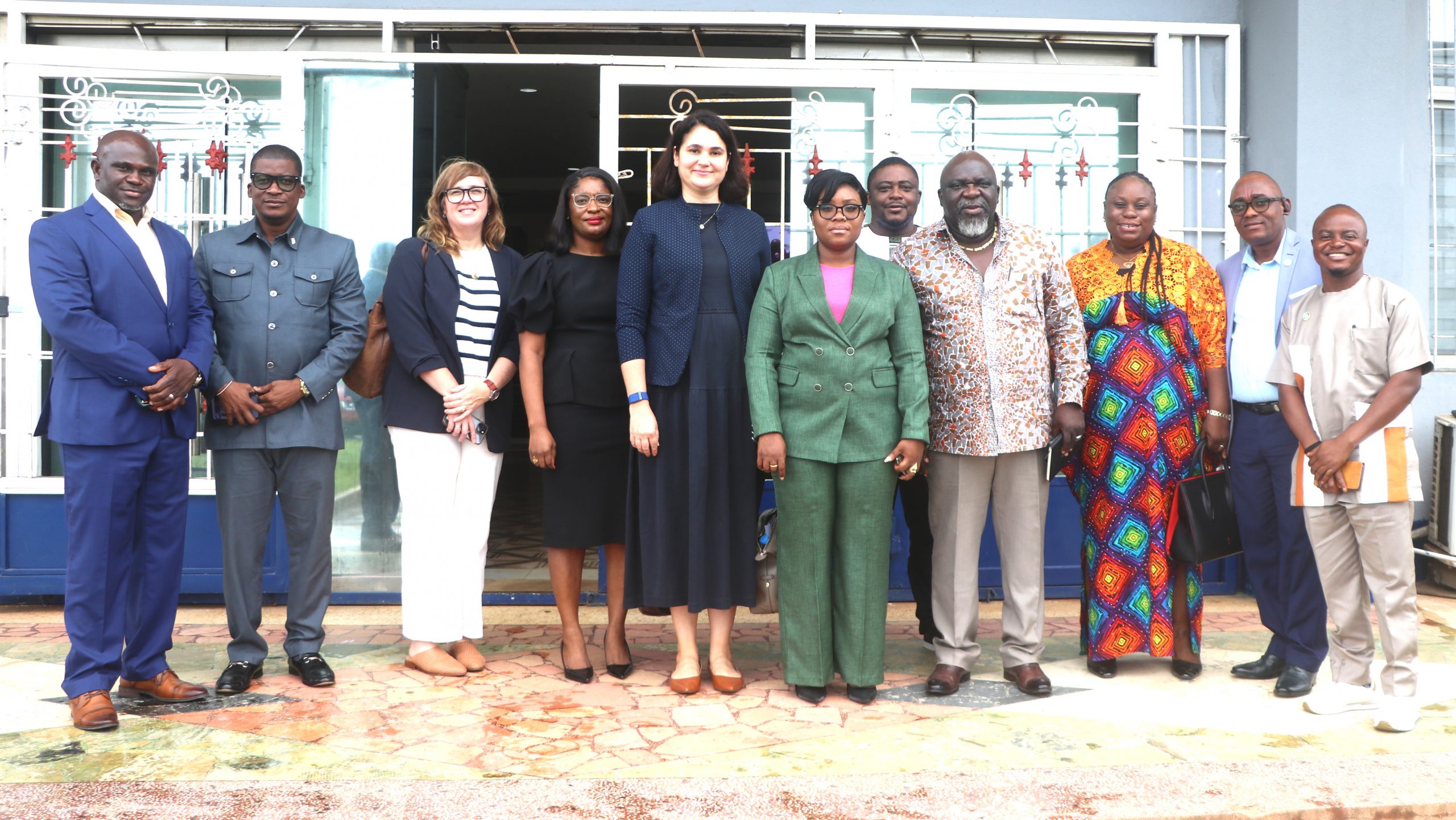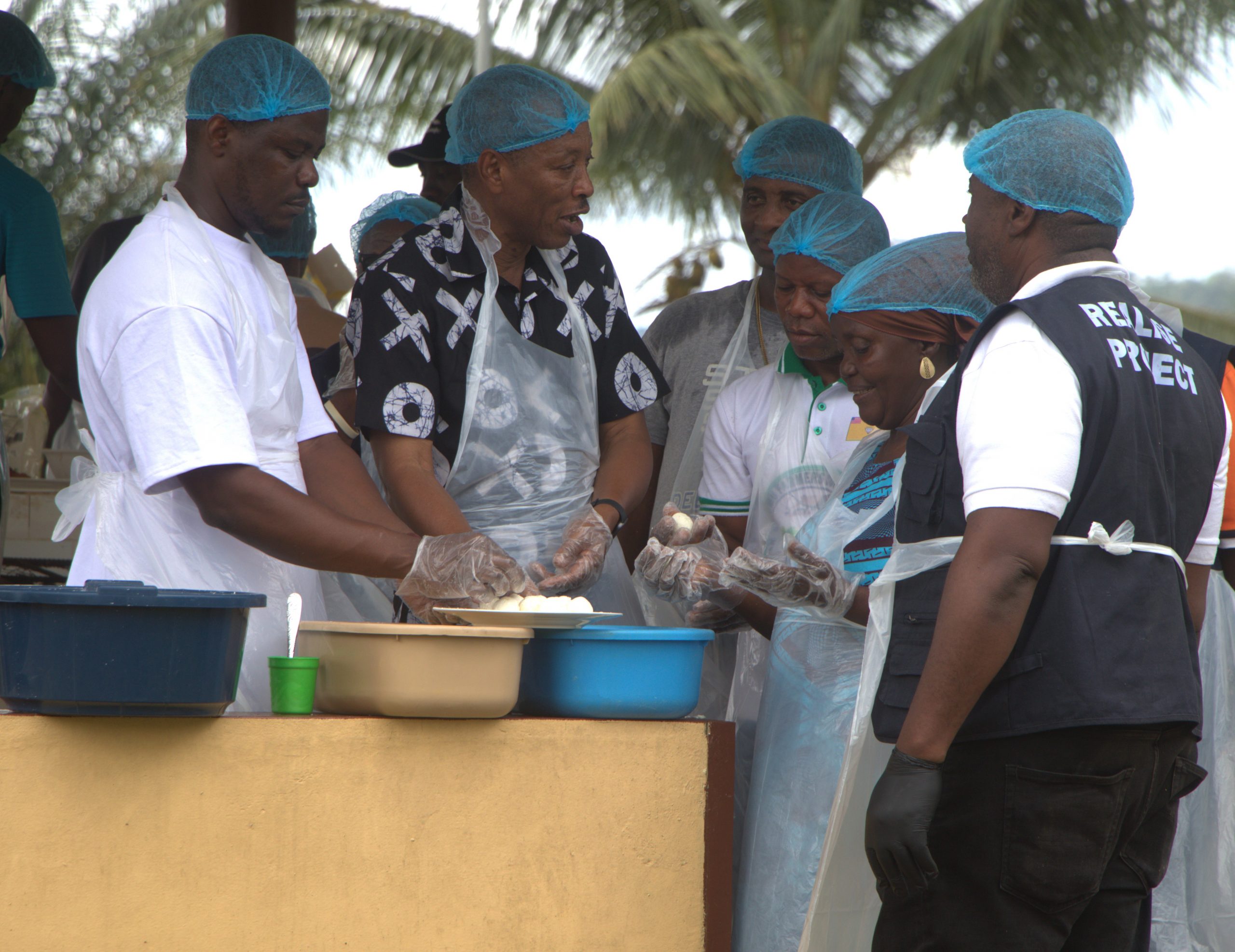

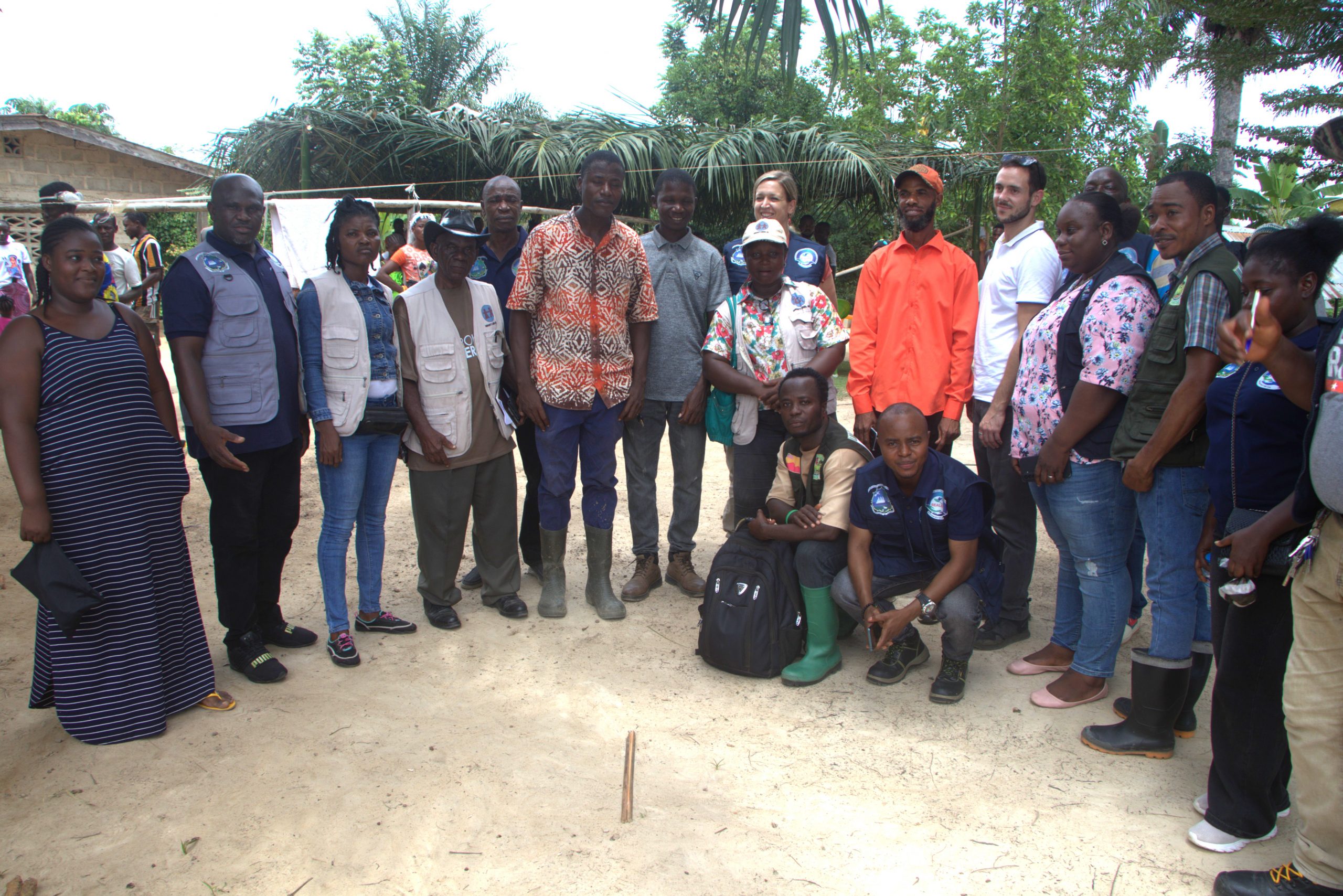
DEMENTA, Bong County – June 17, 2026 – A delegation from the French Development Agency (AFD) and the Project Management Team (PMT) of the Recovery of Economic Activity for Liberian Informal Sector Employment (REALISE) Project on Wednesday conducted a field visit to Dementa and Palelowai Towns in Bong County to assess progress under the Community Livelihood and Agriculture Support (CLAS) component.
The visit provided an opportunity for development partners and project officials to interact directly with beneficiaries, observe ongoing agricultural activities, and evaluate the impact of climate-smart agriculture interventions being implemented in rural communities. The CLAS component of the REALISE Project is supporting thousands of rural households through communal farming, livelihood support and climate-smart agriculture techniques aimed at increasing food security and building resilience to climate change.
Speaking during the visit, Sotty Eliot, representing AFD, expressed satisfaction with the progress being made in the beneficiary communities. He noted that the project is delivering tangible benefits to rural households and strengthening their capacity to improve agricultural productivity.
“What we have seen today is encouraging. The commitment demonstrated by community members shows that the support being provided through the REALISE Project is making a difference. It is important that beneficiaries continue to apply the skills and knowledge gained through the project to improve their livelihoods and ensure long-term sustainability,” Eliot said.
Also addressing the gathering, Jesse Bengu, Project Coordinator of the REALISE Project, reaffirmed the project’s commitment to supporting vulnerable rural communities through innovative and sustainable livelihood interventions.
“The REALISE Project is designed to empower communities and strengthen their resilience. Through the CLAS component, we are not only providing resources and support, but we are also equipping beneficiaries with practical skills that will help them adapt to changing environmental conditions and increase agricultural productivity,” Bengu stated.
One of the highlights of the visit was testimony from beneficiaries, including Orlando, secretary of the Palelowai farming group, who spoke about the transformative impact of the climate-smart agriculture training received through the project.
“Before this training, we relied mainly on traditional farming methods and often struggled with poor yields. Through the climate-smart agriculture training, I have learned the importance of proper land preparation, crop management, climate risk awareness, soil conservation, and the use of improved farming practices. We now understand how weather information can help us make better decisions about planting and harvesting,” Orlando explained.
He added that the knowledge acquired has helped farmers become more confident in managing their farms and responding to climate-related challenges.
“The training has changed the way we think about farming. We have learned techniques that help us protect our crops, improve production, and better prepare for changes in weather conditions. We are grateful to the REALISE Project, AFD, and all partners for bringing these opportunities to our communities,” he said.
The REALISE Project has made climate-smart agriculture a key part of its Community Livelihood and Agriculture Support program, recognizing the increasing threats posed by climate change to Liberia’s agricultural sector.
The visit concluded with interactions between project officials, community leaders, and beneficiaries, who reaffirmed their commitment to ensuring the success and sustainability of the interventions being implemented in Dementa and Palelowai Towns.
The REALISE Project is funded by the World Bank, the French Development Agency (AFD), the Swedish International Development Cooperation Agency (SIDA), and the Government of Liberia. opportunities for vulnerable Liberians across the country.