
Deep in the interior of Grand Bassa County, where roads end, mobile networks disappear, and basic social services remain out of reach, the people of Gbor-Gar Village are finding hope in an unexpected place: the Government of Liberia’s Social Cash Transfer Program, implemented through the REALISE Project.
GBOR-GAR, GRAND BASSA COUNTY, LIBERIA — Reaching Gbor-Gar Village is an experience that reveals just how far some Liberian communities remain from essential public services and modern conveniences.
Located approximately 50 miles from the banks of the St. John River and about 47 miles from the main road leading to Buchanan, the provincial capital of Grand Bassa County, Gbor-Gar is among the most remote communities accessible by motor road in Bassa District Two.
From Civil Compound, the district headquarters, the journey takes approximately four hours by vehicle when road conditions permit. But the road leading to the village is no ordinary route. Once traversed by vehicles, it has deteriorated to the point where motorcycles are now the most practical means of transportation.
For residents, isolation is not an occasional inconvenience. It is a daily reality.
A Community Far Removed from Essential Services
Gbor-Gar is a village where the absence of basic services is difficult to ignore. There is no clinic to provide routine healthcare, no school within the village, and no mobile network to connect residents with the outside world. There is also no designated playground for children.
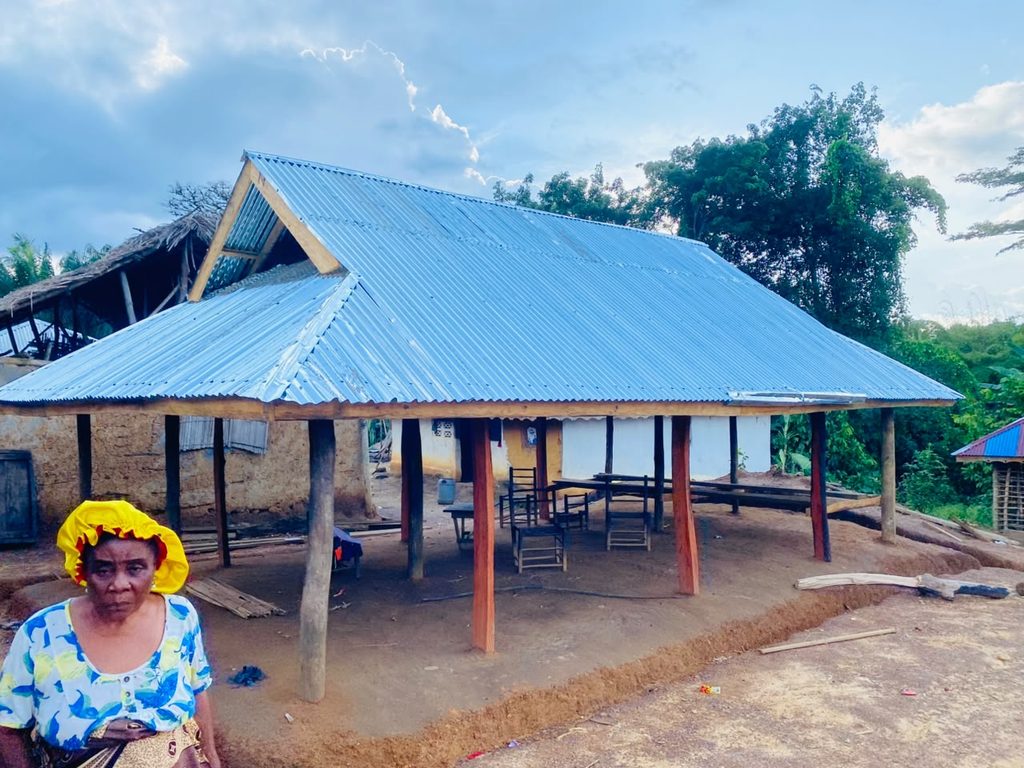
The community has no concrete buildings. Most structures are simple homes built from locally available materials, reflecting the difficult circumstances in which residents live.
At the foot of the village, a narrow section of the Farmington River flows quietly past, forming part of the natural landscape that surrounds this isolated settlement.
Yet, despite the hardships, life continues. Children play, families prepare their meals, and residents go about their daily activities. Their faces reveal a striking mixture of resilience, curiosity, and warmth.
For a visitor arriving from the outside world, several questions naturally arise: When will these residents have reliable access to basic services? How long must they travel to reach a health facility or school? How often do they hear about development initiatives taking place elsewhere in Grand Bassa County?
And perhaps the most difficult question of all: How can a community so full of life remain so disconnected from essential services?
A Government Intervention Reaches Gbor-Gar
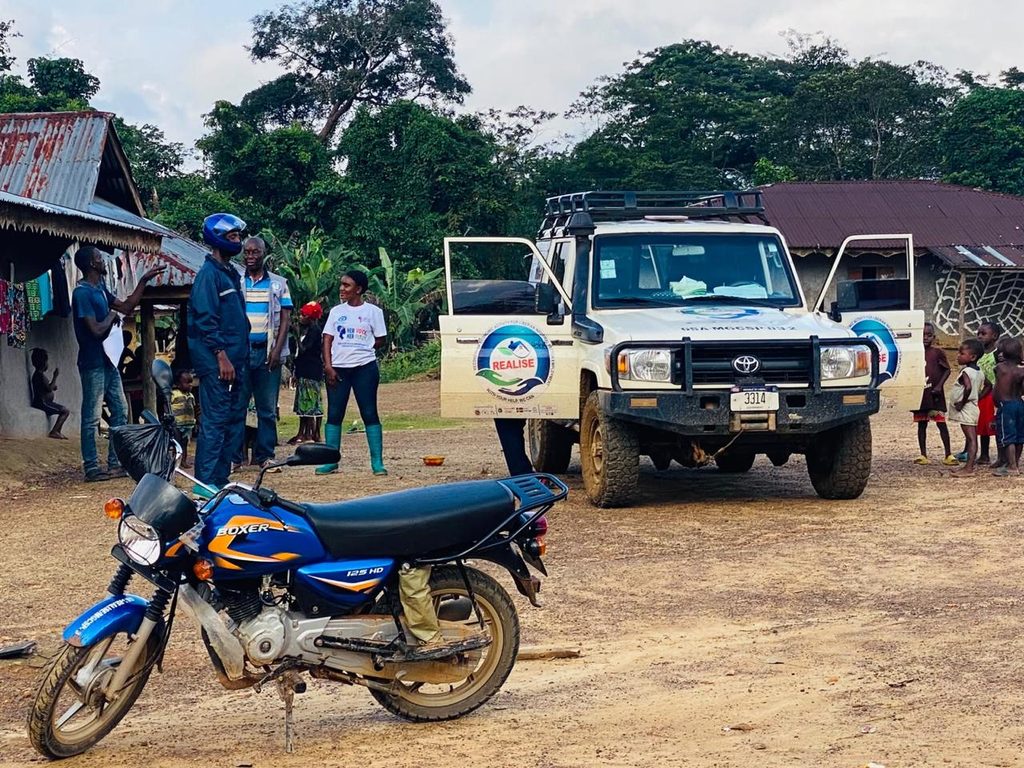
For many residents, one of the most tangible government-supported interventions to reach their community in recent years has been the Social Cash Transfer Program.
In 2024, Gbor-Gar was selected among communities benefiting from the Government of Liberia’s unconditional Social Cash Transfer Program through the Recovery of Economic Activity for Liberian Informal Sector Employment (REALISE) Project, with support from the World Bank, French Development Agency (AFD) and Swedish International Development Corporation Agency (SIDA).
Through the program, eligible households received cash assistance intended to help them meet essential needs and improve their capacity to cope with economic hardship.
The program’s universal-targeting approach, described locally as “every clan, every village,” helped extend attention to communities that might otherwise be difficult to reach. Its presence in Gbor-Gar demonstrates the importance of taking social protection beyond accessible towns and population centers to vulnerable households in remote locations.
For families living far from markets, public services, and reliable transportation, cash assistance can offer an important measure of flexibility. Households can use the support to address their most pressing needs, depending on their circumstances and priorities.
In a community where opportunities are limited and everyday living presents significant challenges, such assistance can make a meaningful difference.
From Thatched Roofs to Zinc-Covered Homes
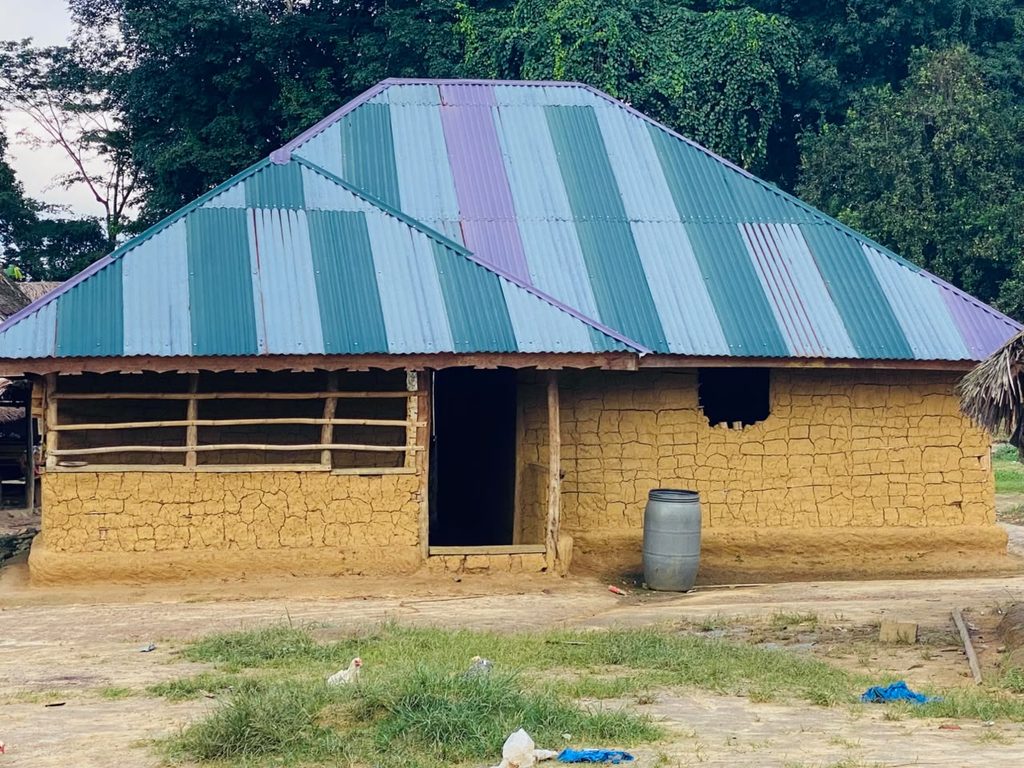
One visible change in Gbor-Gar is the growing number of houses with zinc roofing.
Before the Social Cash Transfer Program reached the community, residents say their houses were covered predominantly with thatch. Today, nearly all the houses observed in the village have zinc roofs.
Although the community still lacks concrete buildings and essential public facilities, the change in roofing stands out as a tangible sign of progress in household living conditions.
For families who must make difficult decisions about how to spend limited resources, improving a home’s roof can represent a significant investment in comfort, protection, and dignity.
An Unusual Arrival Sparks Excitement
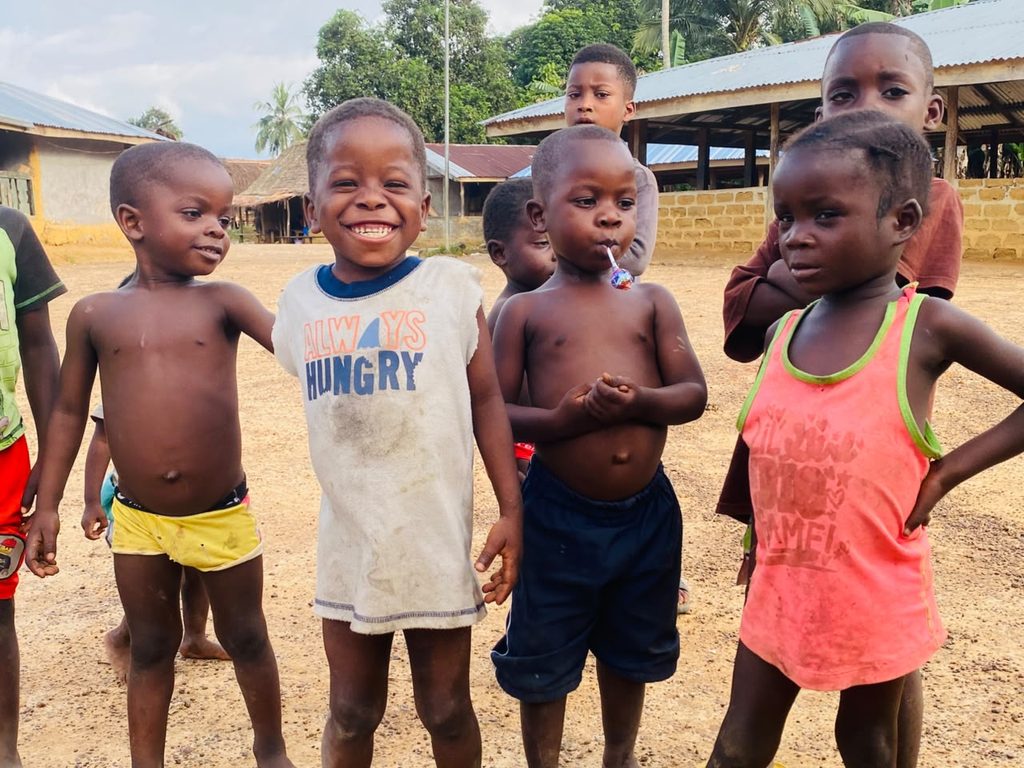
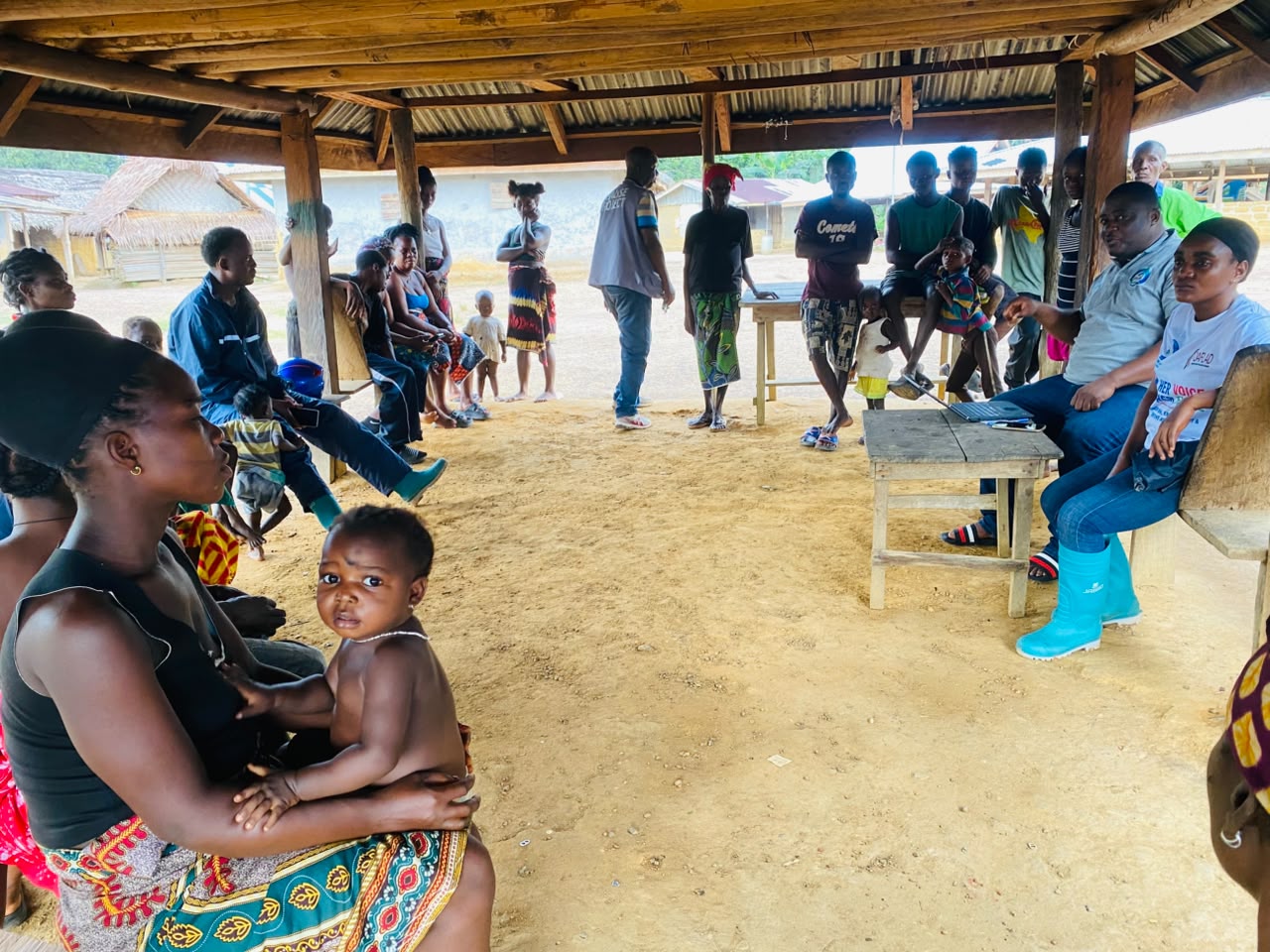
When the REALISE Project team visited Gbor-Gar to verify payment records, the arrival created excitement throughout the community.
Children and adults moved from one corner of the village to another, eager to see the visitors and the vehicle that had made its way into their settlement.
For many residents, the visit was unusual. A vehicle of that kind had not entered the village in many years, and the deteriorated road had made access increasingly difficult.
The excitement was about more than the arrival of a vehicle. It was also an opportunity for residents to see representatives of a government-supported project return to a community that is often difficult to reach.
The visit provided the team an opportunity to verify payment records and engage with beneficiaries, while also witnessing firsthand the living conditions and access challenges facing households in the village.
It was a reminder that implementing social protection programs in remote communities requires more than transferring funds. It also requires persistence, field presence, verification, and a willingness to reach people wherever they live.
Rebecca: “I Have Already Received All My Six Transfers”
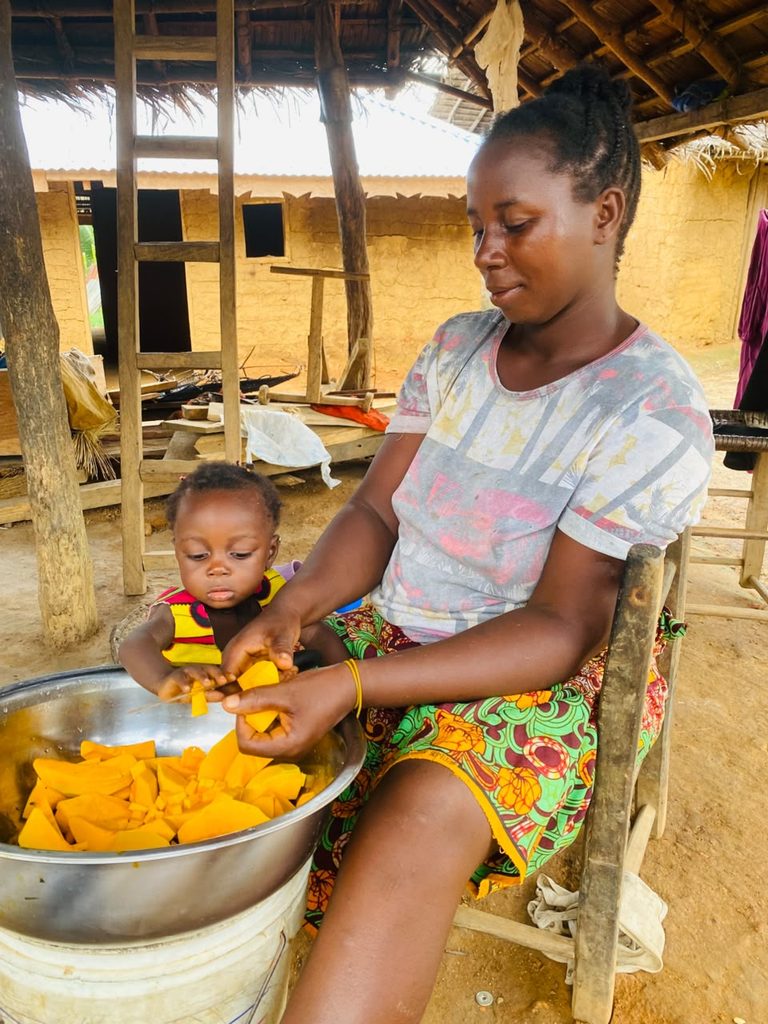
Amid the excitement surrounding the REALISE Project team’s arrival, one woman remained quietly occupied near her cooking hearth.
Her name is Rebecca, a beneficiary of the Social Cash Transfer Program.
While other residents hurried to see the visiting team, Rebecca sat near her fire, cutting pumpkin to prepare her family’s meal.
Her calmness stood out against the movement and excitement around her. Curious about why she had not joined the others, I approached her and asked why she appeared unconcerned about the team’s arrival.
Her answer was simple.
“I have already received all my six transfers, so no need of me going there,” she explained.
Rebecca’s response reflected her understanding that she had completed the six transfers due to her household. While others were eager to engage with the team, she felt no immediate need to join them because she had already received the assistance.
The brief exchange offered a glimpse into how beneficiaries experience the program differently. For Rebecca, the transfers were not an abstract policy or a government announcement. They were a completed process that had reached her household.
Her story also underscores the importance of maintaining accurate payment records and communicating clearly with beneficiaries so they understand their payment status and any further steps required of them.
Although Rebecca did not describe in detail how she spent the money or the specific changes it brought to her household, her experience forms part of the broader story of social protection reaching families in communities like Gbor-Gar.
A Village That Must Not Be Forgotten
As the visit to Gbor-Gar draws to a close, the image of children gathering around the visiting team, zinc roofs stretching across the village, and Rebecca quietly preparing her family’s meal remains vivid.
The village is still isolated. It still lacks a clinic, a school, mobile network coverage, and a reliable road. Yet, the presence of the Social Cash Transfer Program has brought government-supported assistance to households in a place where reaching beneficiaries requires considerable effort.
The story of Gbor-Gar is therefore one of two realities: the hardship of a community still waiting for essential services, and the possibility of change when social protection reaches vulnerable families.