
Home / Components
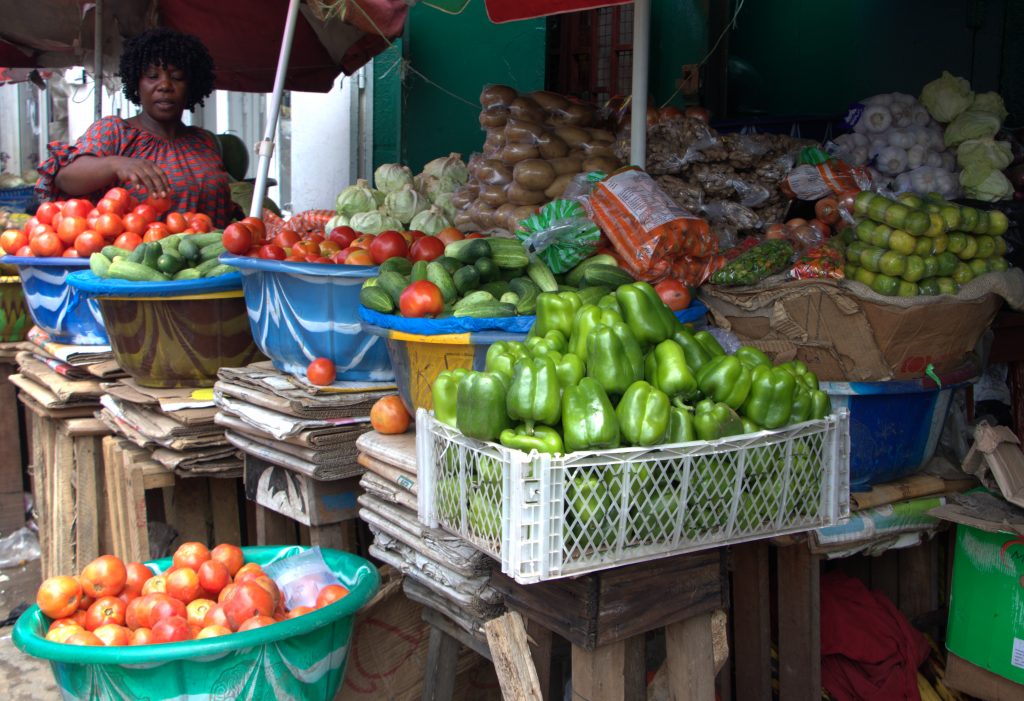
This component provides support to poor and vulnerable households in Montserrado and Margibi Counties, operating Non-Farm Household Enterprises (small businesses) in urban areas that have been impacted by the spread of COVID-19 in
Liberia and the current global food and fuel crises on their livelihoods. Specifically, the component will protect livelihoods by providing support to small businesses that would likely have survived had COVID-19 not struck, and that could be expected to continue to provide livelihoods once the pandemic has passed.
For each household selected to receive the grant, a household representative is selected to represent the household in terms of participating in the business
management training, getting registered for mobile money, and receiving the cash grant on behalf of the household. This representative must be female for at least 50
percent of the households selected for the grant support.

Component of the REALISE Project is intended to provide short-term jobs for 17,000 vulnerable workers in the informal sector, as well as employability development training to enable them to make informed decisions that would better their lives, and re-enter into productive engagements. It also seeks to improve the general living conditions of poor and vulnerable communities. Accordingly, implementation will be in rounds. Each implementation round lasts for six (6) months.
Vulnerable workers in the informal sector are provided short-term jobs in one of the following areas: supplementary health care services, beautification (painting of crosses and sidewalks, public buildings, planting of trees, recreation centers, street naming, coding of homes) and waste & sanitation/cleaning of community alley.
Each beneficiary is guaranteed 60 days of paid labor under the LIPW. Labor subsidy allowance is calculated at a daily rate of US$4 and US$7 per day. Throughout the engagement, beneficiary workers are therefore expected to access US$240 and Supervisors US$420 as labor subsidies for their participation in subproject activities
Component resources support the provision of grants for procurement of simple tools and materials to implement subproject activities, labor subsidies to assist beneficiaries with some of their needs while executing subproject activities, and delivery of life skills and employability development training to incorporate behavior modification around self-esteem.
finances capacity building and project implementation and coordination. This
component has three subcomponents: Sub-component 3a: Capacity Building and Project Implementation and Coordination for MYS; Sub-component 3b: Capacity Building and Project Implementation and Coordination for LACE; and
Sub-component 3c: Capacity Building and Project Implementation and Coordination for MGCSP. This component will support capacity and systems building for key stakeholders at all levels of the project. Specifically, it will need the following Technical Assistance (TA) to support the training of community structures involved in project implementation. The training of community structures will focus on community organization, project identification, beneficiary selection, and M&E. Preparation of project operational procedures and guidelines; Training for project staff, implementing agencies, and service providers; M&E systems.
Provisional zero-value CERC to allow for rapid reallocation of loan proceeds from
other project components during an emergency. In the event of an eligible crisis or
emergency, the project will contribute to providing an immediate and effective
response to such crisis or emergency. This will allow for the rapid reallocation of
project funds in the event of a future natural or man-made disaster or crisis that has
caused or is likely to imminently cause a major adverse economic and/or social
impact during the life of the project. In the event of such an emergency, this
component would allow the Government to request the World Bank to re-categorize
and reallocate financing from other project components to cover emergency
response and recovery costs if approved by the World Bank.
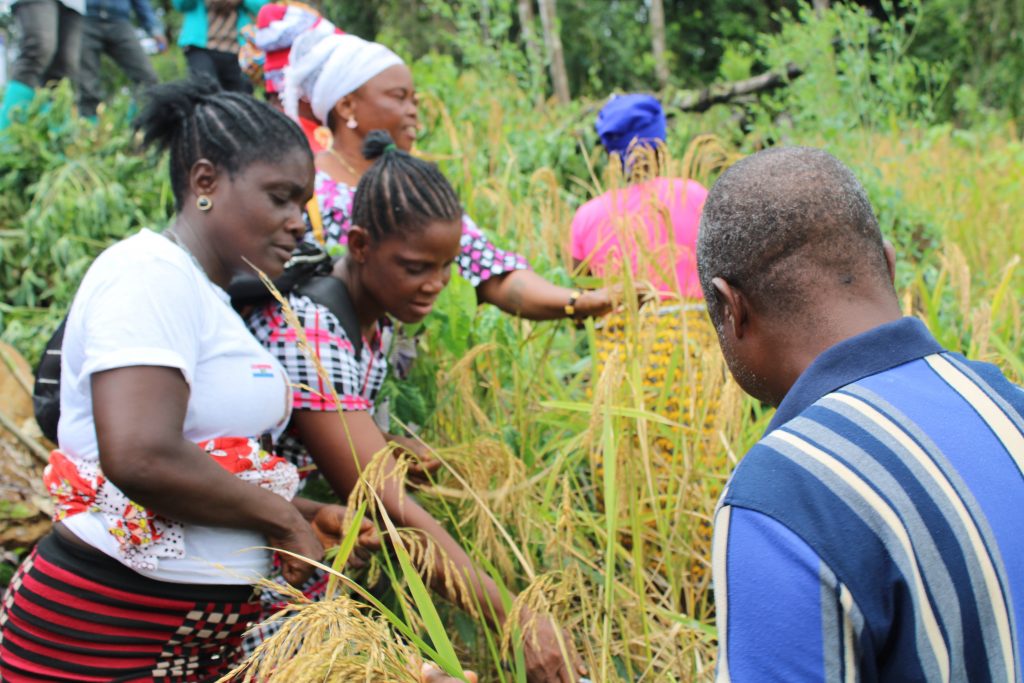
The CLAS component aims to improve livelihood opportunities and climate resilience for poor and vulnerable populations in rural areas of Liberia, directly responding to the current food crisis. It targets 16,200 direct beneficiaries across 3 rounds of implementation in 578 project communities and counties. It will support Beneficiary Farming Groups (BFG) in developing subprojects, and receive US$1,800 farm start-up grants to procure inputs. Provide life Skills and business management training and promote climate-smart agricultural practices. This component will offer cash transfers of US$350 to each beneficiary as a labor subsidy to help smooth consumption during the lean season. Provides Community Development Support (CDS) grants of up to US$1,800, alongside technical assistance, to each participating community to help maintain or improve small-scale common infrastructures, Provide Technical Assistance (TA) and business grants of up to US$20,000 to Cooperatives over three years to create market links support (MLS) for beneficial groups and their communities. Provide logistical assistance to MIA and MOA extension officers at the County and district levels to support project beneficiaries.
The objective of this component supports poor and food-insecure households in the selected counties through the provision of SCTs to targeted beneficiaries. Specially, it provide incomes support to about 16,000 poor and food-insecure
households in River Gee, Grand Kru Grand Bassa, and Rivercess.
Strengthening of the National Social Protection System
The objective of this sub-component improves efficiency, enhance capacity
building, and strengthening the national social protection system through continued
development of the basic building blocks of a safety net delivery system.
The subcomponent enhances the following: (a) consultant services to expand LHSR
data collection and functionalities of the MIS; (b) technical advisory services and
workshops to strengthen the LHSR visibility, utility, sustainability, and
interoperability; and (c) TA, assessments, and training to strengthen the GRM.