

Component two of the REALISE Project has integrated adult literacy into its activities as one of the subprojects, implemented in the Plunkor community in Monrovia. “This marks the inaugural inclusion of adult literacy in our implementation activities since the project’s commencement in 2021,” noted Anita Marshall.
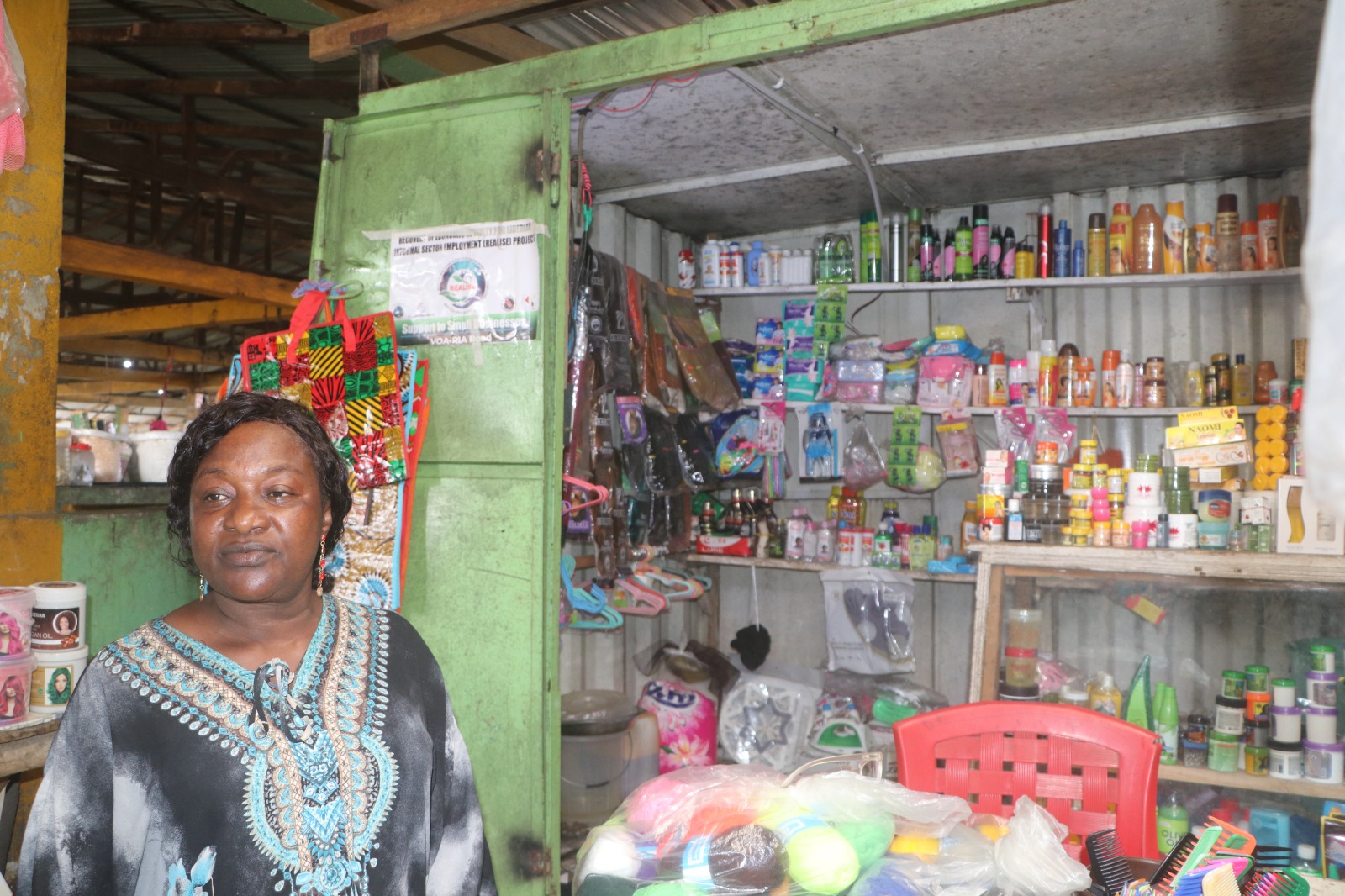
The beneficiaries of the adult literacy subproject are primarily adults engaged in informal businesses, with some unemployed individuals who have had limited or no opportunities for formal education.
“I couldn’t read or write a simple letter before, but now I can comprehend any document and compose letters of various kinds. This accomplishment means a lot to me, and I am grateful to the REALISE project for this opportunity,” expressed Siatta Konneh.
Anita Marshall, the Component Manager of the Temporary Employment Support and Employability Development for Vulnerable Workers, expressed her satisfaction with the anticipated impact of the literacy program on the beneficiaries, emphasizing its role in fostering a more productive society.
Anita highlighted, “The adult literacy subproject is a groundbreaking initiative under the REALISE project, and based on our observations, there is a clear need to expand it to other areas.”
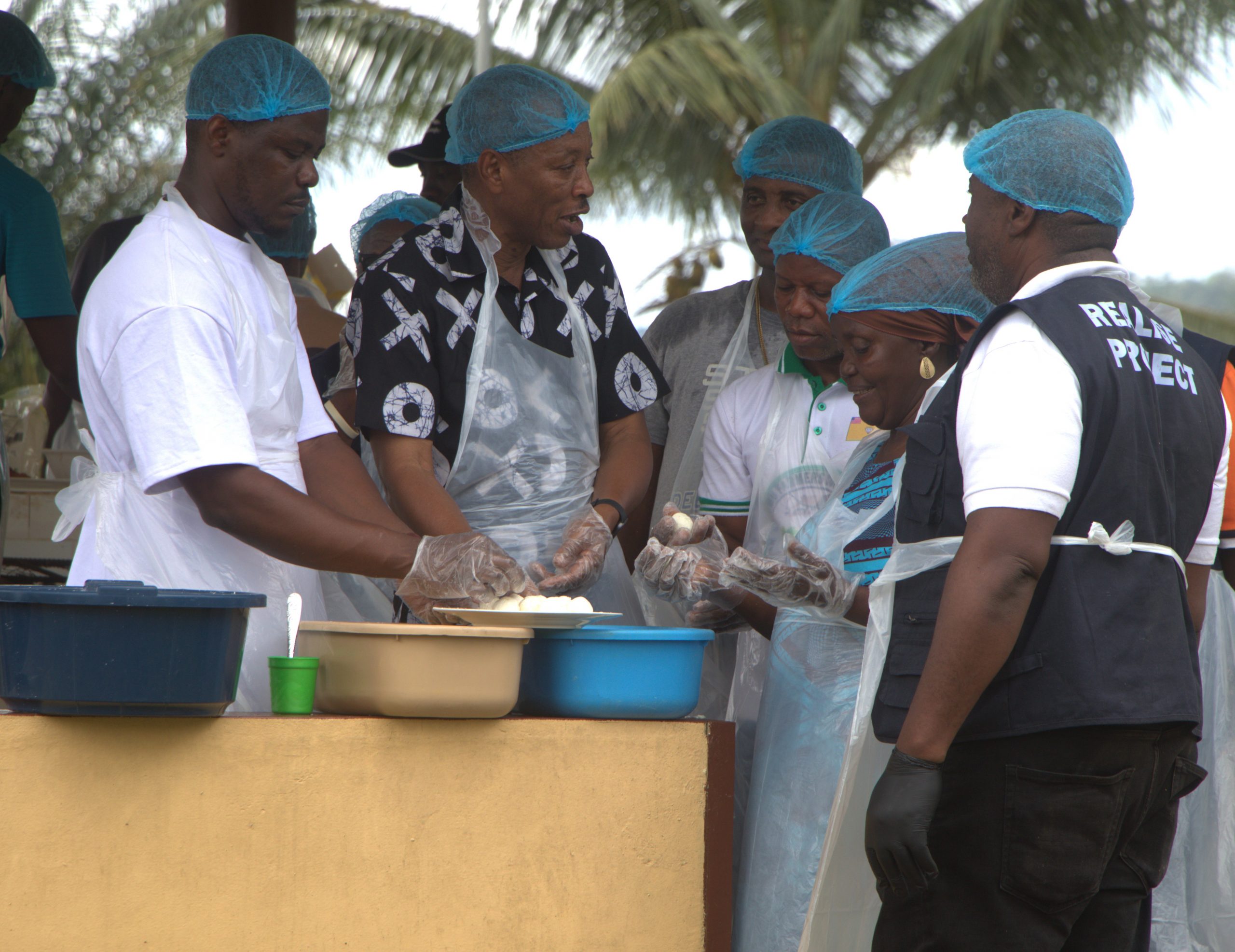
The Temporary Employment Support & Employability Development for Vulnerable Workers (TESEDVW) Component of the REALISE Project aims to provide short-term employment for 17,000 vulnerable workers in the informal sector. Additionally, it offers employability development training to empower them to make informed decisions that enhance their lives and facilitate their re-entry into productive endeavors.
Moreover, the project aims to uplift the living conditions of poor and vulnerable communities. Implementation will occur in rounds, with each round lasting six (6) months.
Vulnerable workers in the informal sector will be engaged in short-term jobs focused on supplementary health care services, beautification activities (such as painting crosswalks and public buildings, tree planting, street naming, and coding homes), as well as waste management, sanitation, and community alley cleaning.