
August 17, 2026 Gbein-Yonyee, Nimba County — Under the warm Nimba sun, amid stretches of green farmland and the steady rhythm of community farming, a different kind of transformation is taking place.
It is a transformation driven not only by seeds, tools and financial support, but by knowledge — and increasingly, by women taking leading roles in agricultural production.
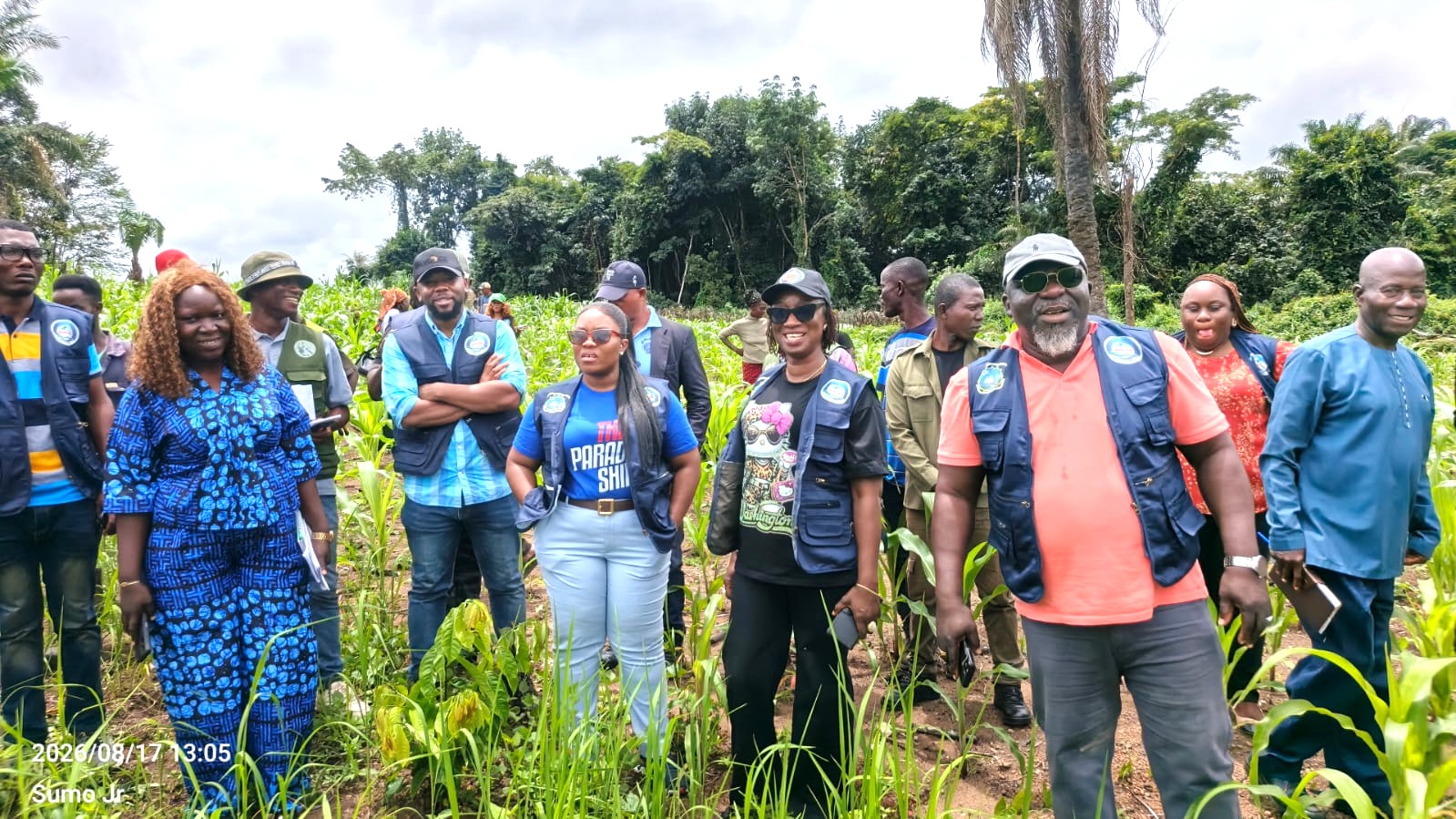
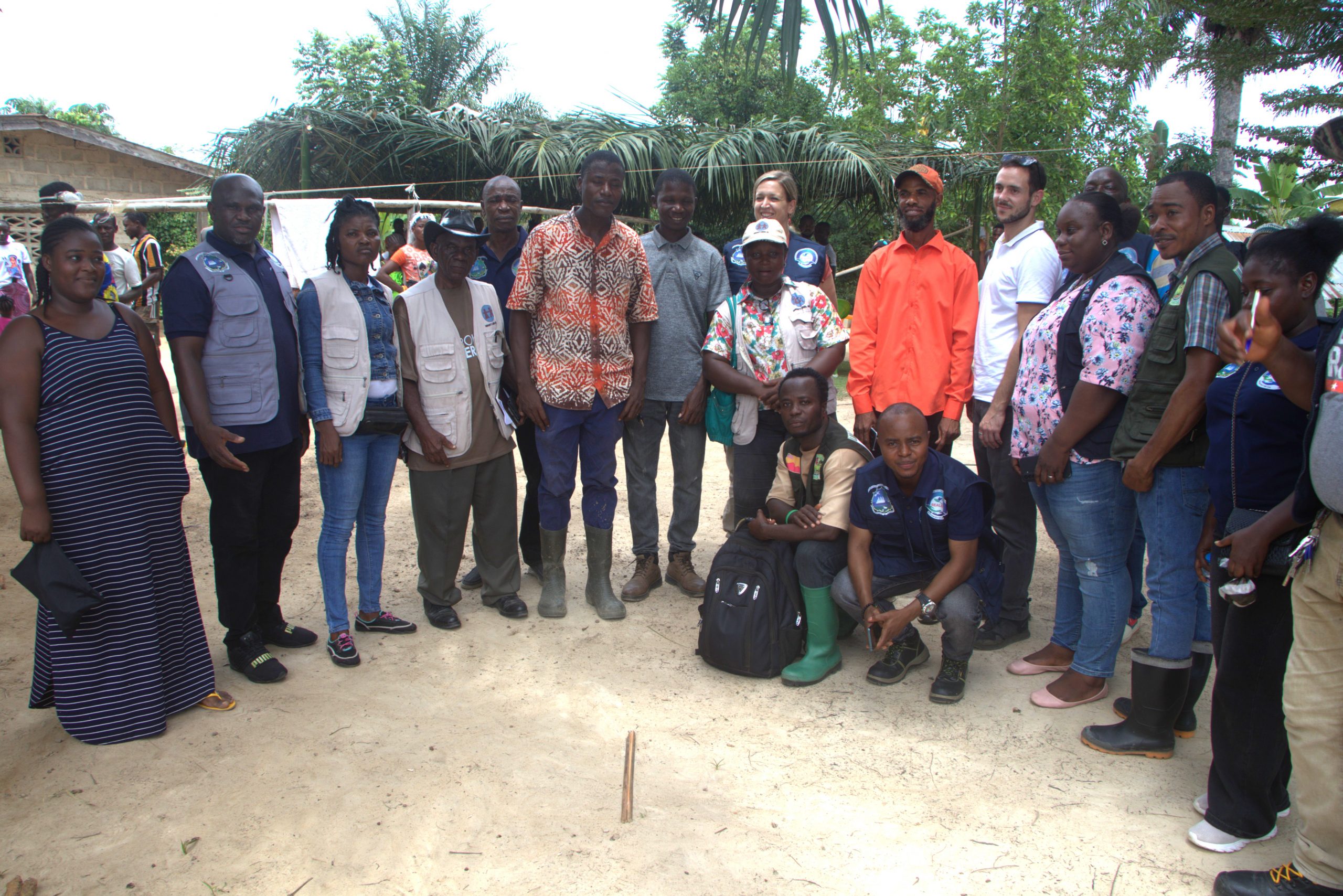
During a recent field visit by the REALISE Project Steering Committee (PSC) to Nimba County, members of the delegation visited Gbein-Yonyee and other communities to see firsthand how the project’s Community Livelihood and Agriculture Support (CLAS) component is changing the lives of vulnerable households.
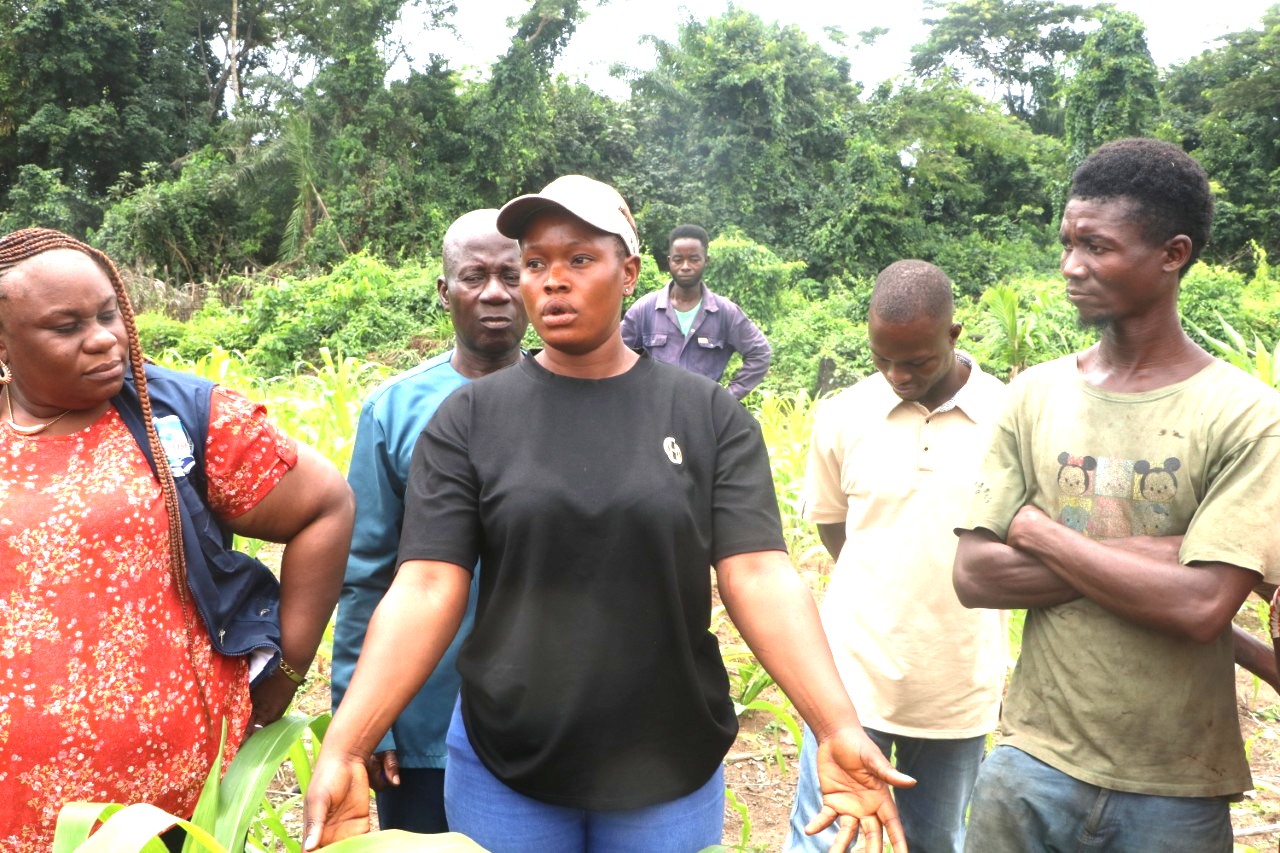
Among the people who captured the attention of the delegation was Tonia Wonten a female Community Agriculture Technician working directly with beneficiary farmers. Standing before the PSC and community members, she explained the practical work being done to help farmers improve production, organize their activities and make better decisions about their farms.
“We are involved in working directly with the beneficiaries to support the farming here. “
Her presence represented something larger than the work being done on the farm. It reflected the growing role of Liberian women as agricultural professionals, trainers and community leaders.
Community Agriculture Technicians are helping beneficiary groups organize and manage communal farming, while technical guidance is influencing decisions beyond production — including when farmers should harvest and sell their crops to improve returns.
More than farming
At Gbein-Yonyee, agriculture is being approached not simply as a means of producing food, but as a pathway toward stronger household incomes, food security and community resilience.
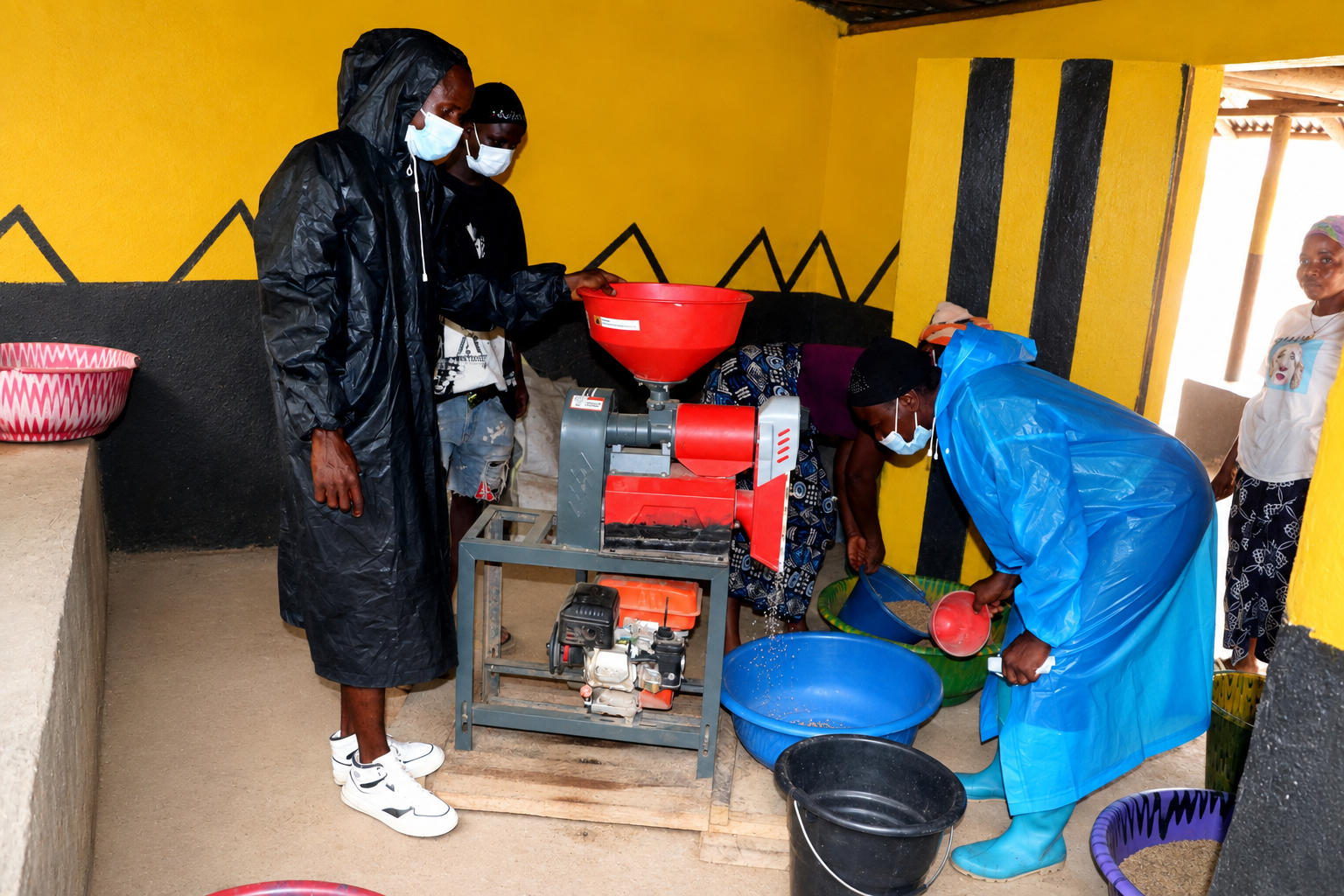
The PSC observed communal agricultural activities involving both men and women. Rice and maize were being cultivated, while beneficiary groups were also managing shared agricultural equipment. The wider Nimba visit included a communal farm of more than 40 acres.
The model reflects the broader vision of the REALISE Project: to combine productive resources with technical knowledge so that vulnerable households can build sustainable livelihoods.
REALISE’s CLAS component provides rural beneficiaries with agricultural inputs and technical support, while also promoting climate-smart agriculture, community development and stronger local ownership.
For the female technician in Gbein-Yonyee, this means spending time with farmers, demonstrating better practices, answering questions and helping communities translate project support into actual production.
Her work also sends a powerful message to young women and girls in rural Liberia: agriculture is not only a field where women can participate — it is a profession where women can lead.
A Minister’s recognition
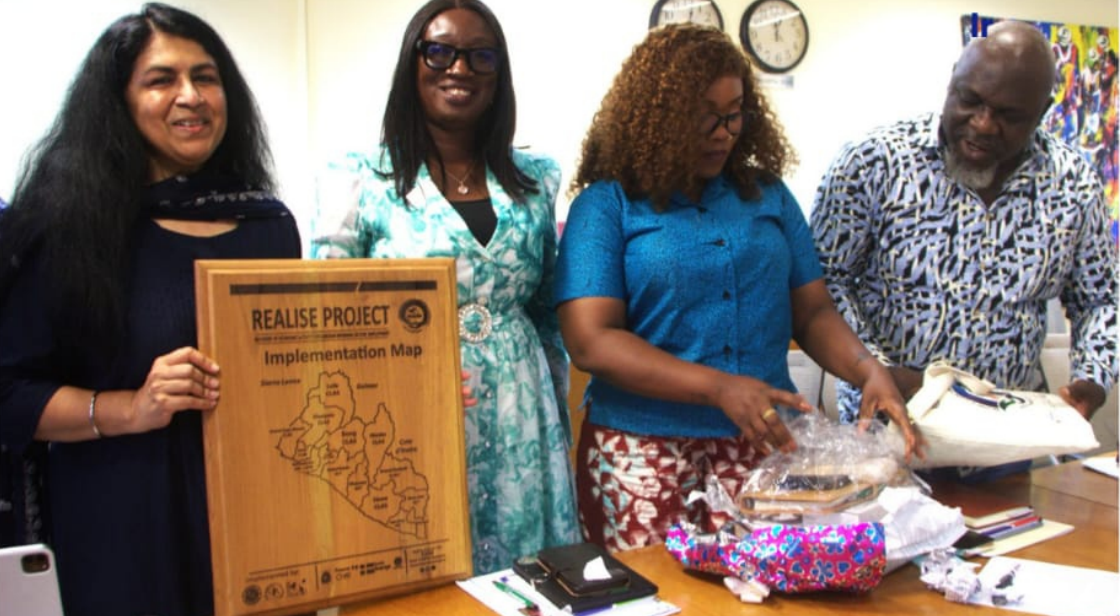
Minister of Gender, Children and Social Protection Gbeme Horace-Kollie, who participated in the PSC’s Nimba field visit, praised what she saw in the communities.
Reflecting on the impact of the government’s interventions, Minister Horace-Kollie said:
“We travelled to see how residents are feeling the impact of government–funded interventions, and I am very pleased.”
Her observation came as the delegation witnessed women and men working together on communal farms and heard directly from beneficiaries about how training and support were influencing their livelihoods.
The Minister’s comments underscore an important dimension of the REALISE intervention: its impact is increasingly visible not only in the resources delivered to communities, but in the confidence, knowledge and productive capacity being built among beneficiaries.
Women at the center of transformation
The visibility of women in technical agriculture was one of the strongest features of the Nimba visit. The PSC field assessment found that women’s participation in agriculture and community organization was clearly visible and recommended that women’s participation and leadership remain a measurable strength of the program. For the female technician at Gbein-Yonyee, the work is therefore about more than helping farmers plant and harvest. It is about helping communities understand that agricultural knowledge can change how families produce food, manage resources and make economic decisions.
As Liberia continues to confront challenges around food security, rural livelihoods and economic opportunity, people like Tonia Wonten demonstrate the importance of investing in local knowledge and women’s leadership.
Cách diễn đạt khá linh hoạt, các đoạn nối với nhau tự nhiên nên đọc không bị ngắt quãng.