
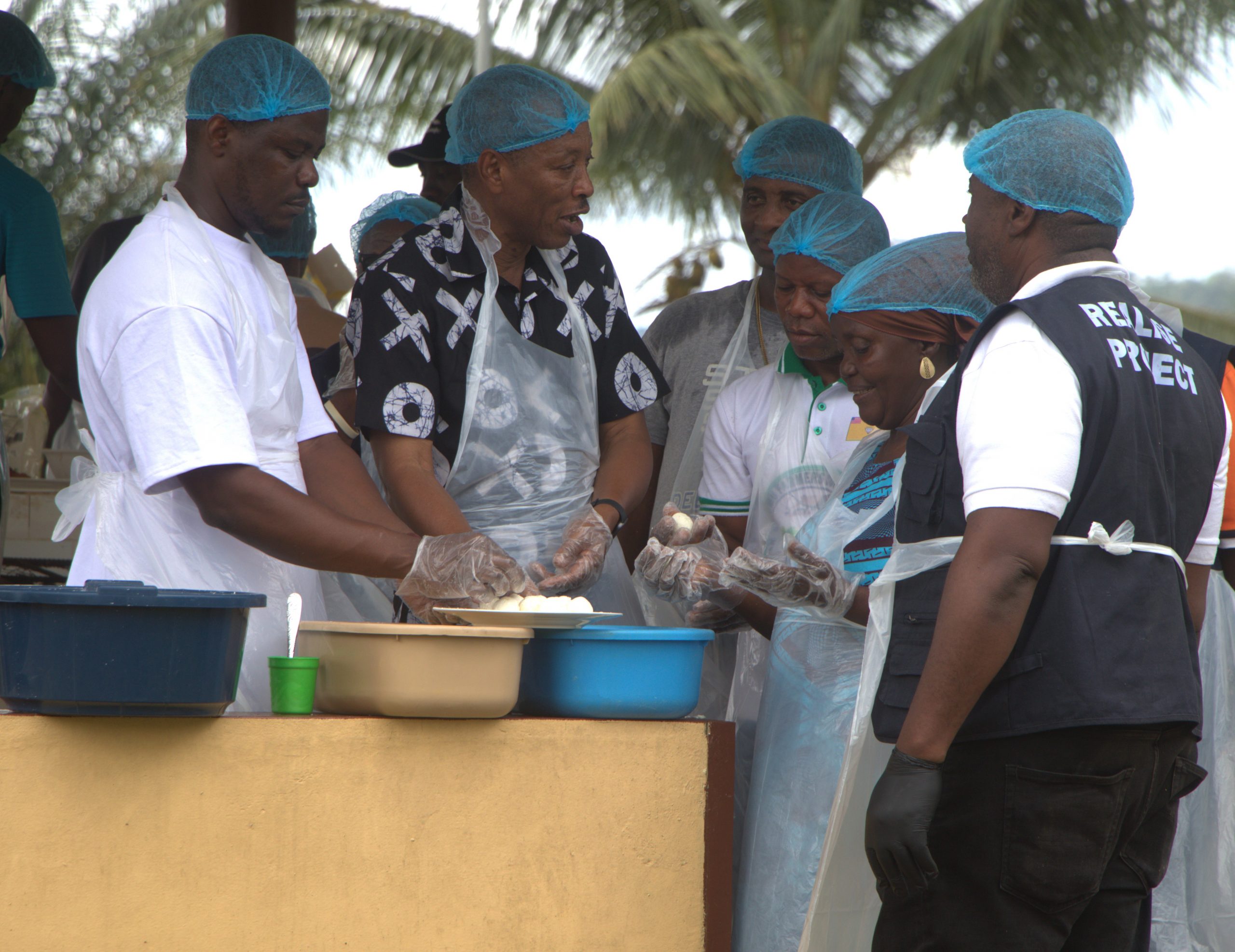
GBARPOLU COUNTY, LIBERIA — The Recovery of Economic Activity for Liberian Informal Sector Employment (REALISE) Project recently held a weeklong value addition training, intended to strengthen the capacity of service providers.
The specialized value addition training aimed at improving the way agricultural produce from REALISE-supported farms is processed, preserved and transformed into marketable products.
The training, conducted in Gbarpolu County by Ignitia brought together service providers from Gbarpolu, Bomi and Grand Cape Mount Counties. The initiative focused on practical approaches to adding value to locally produced agricultural commodities, particularly cassava, rice and other farm produce.
The training forms part of the REALISE Project’s broader effort to strengthen agricultural livelihoods by ensuring that support provided to communal farmers extends beyond production. Participants were introduced to techniques that can help reduce post-harvest losses, improve product quality, extend shelf life and create additional income opportunities from agricultural commodities.
According to the training organizers, the service providers are expected to take the knowledge and skills gained from the exercise to communities and train REALISE beneficiaries. This cascade approach is intended to expand the reach of the training and enable more farmers and beneficiaries to apply value addition techniques to produce from their farms.
“Value addition is important because farmers should not only produce crops; they should also understand how to transform what they produce into products that have greater value in the marketplace. Through this training, we are equipping service providers with practical knowledge that they can take back to communities and share with REALISE beneficiaries,” said Kwabena Frimpong, Head of the Training.
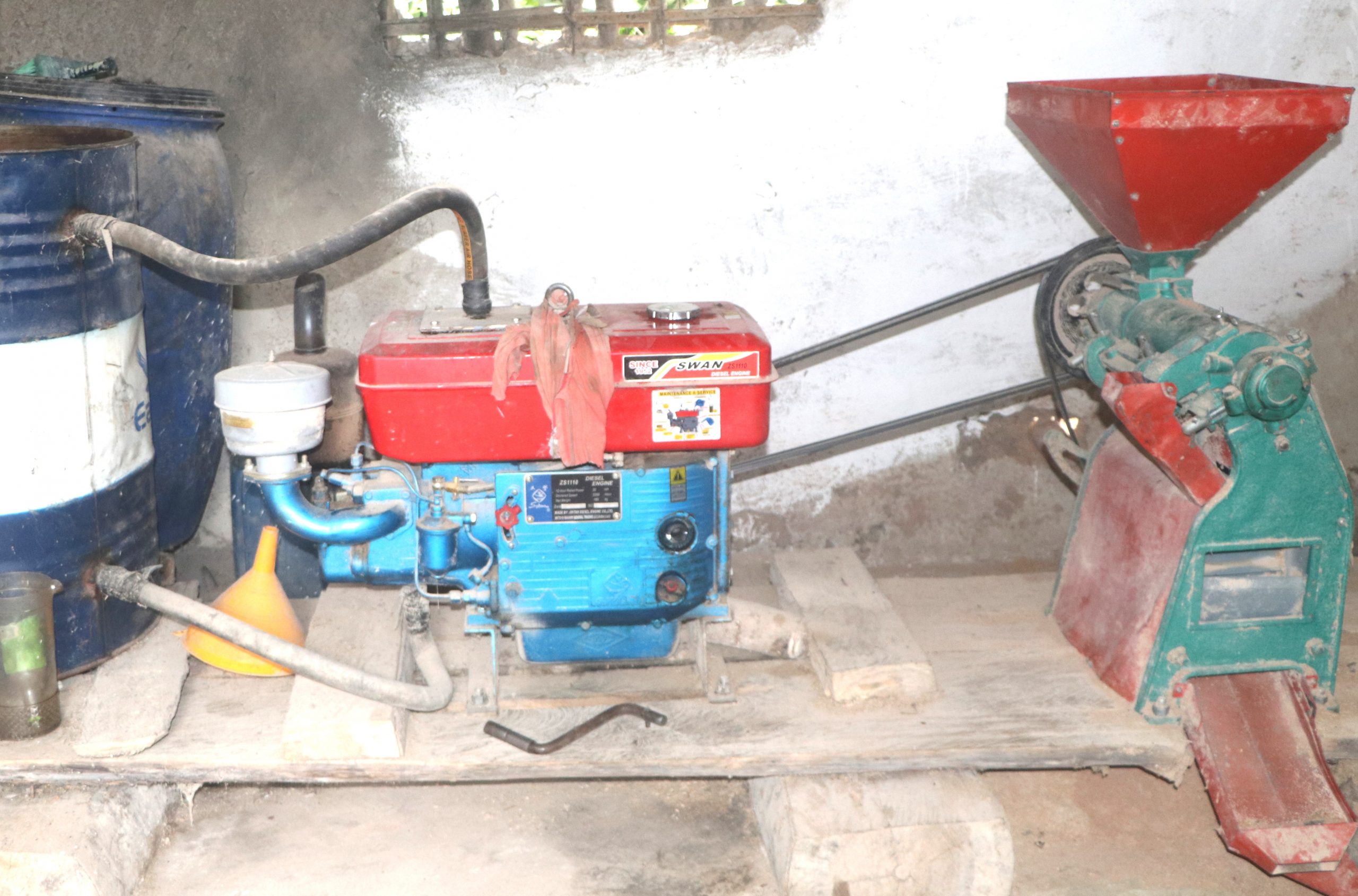
The training placed emphasis on the use of locally available raw materials, including cassava, plantain, eddoes potatoes and rice, demonstrating how agricultural products can be processed into different forms suitable for consumption and sale. Participants also explored the importance of hygiene, proper handling, processing and presentation in improving the quality and marketability of farm products.
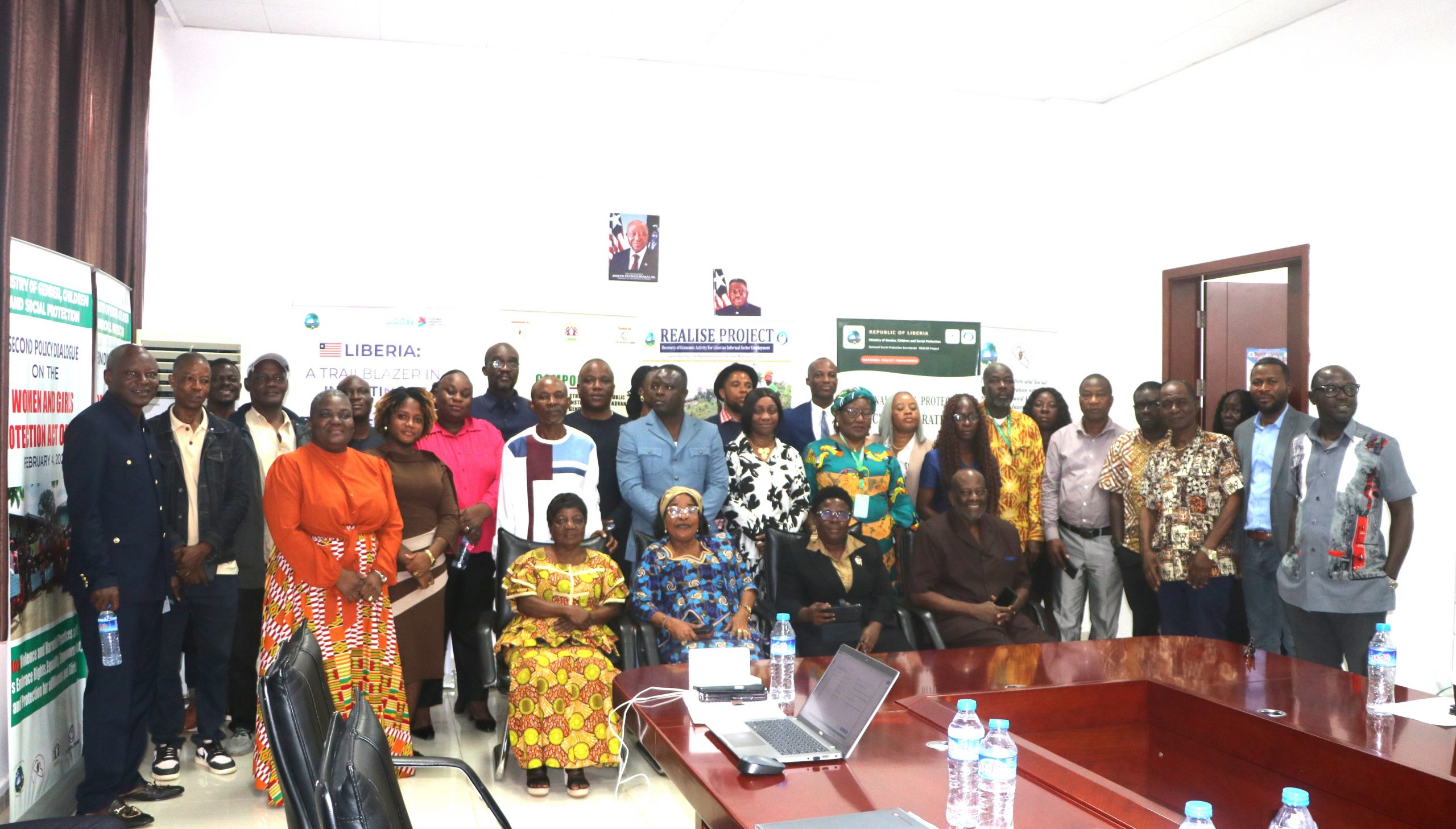
The National Coordinator for Social Protection Aurelius Butler praised the initiative, and thanked the participants for taking time off to be a part of the training. He presented the certificates.
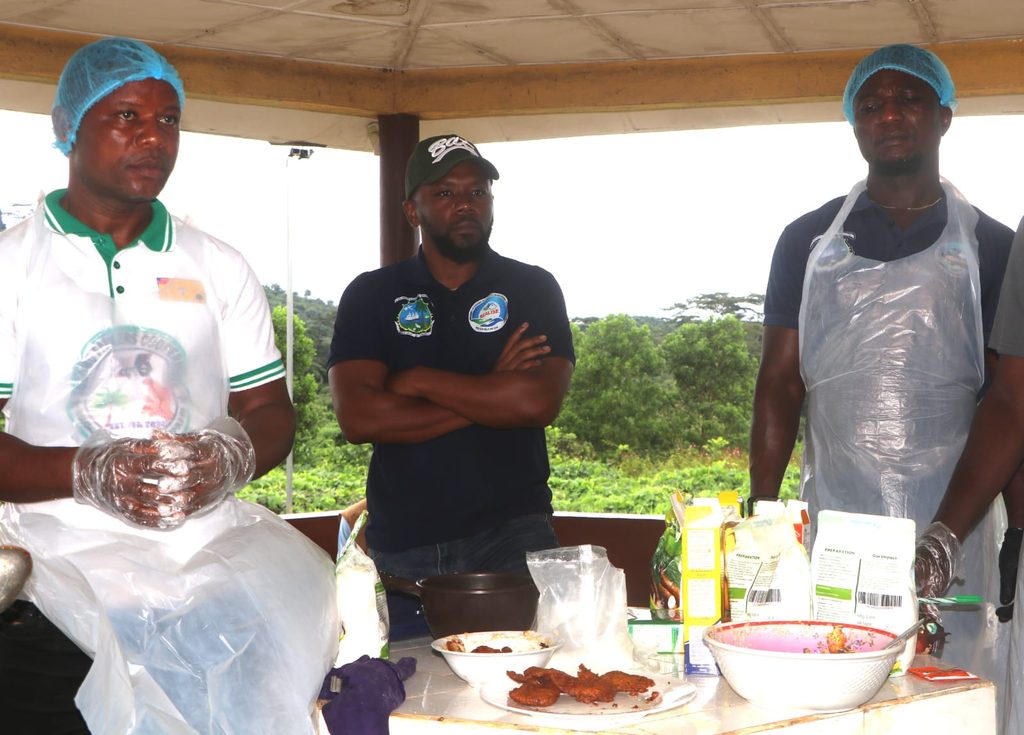
For service providers from Bomi, Grand Cape Mount and Gbarpolu Counties, the training provides an opportunity to strengthen their technical support to farmers and other REALISE beneficiaries. By transferring the knowledge gained to communities, the service providers are expected to help beneficiaries move from basic production toward processing and value creation.
From Farm Produce to Market Value
The value addition training demonstrates the REALISE Project’s emphasis on helping beneficiaries maximize the economic potential of agricultural production—by not only growing food, but also processing, packaging and transforming farm produce into products with greater value.