
MONROVIA, LIBERIA – September 28, 2026: At dawn in the Township of West Point, the smell of freshly smoked fish fills the air as women prepare their products for another day of business.
Among them is Alice, a mother of five who has spent years relying on the fish trade to provide for her family. For Alice, selling fish is more than a small business—it is the main source of support for her household. Today, her daily routine is beginning to change.
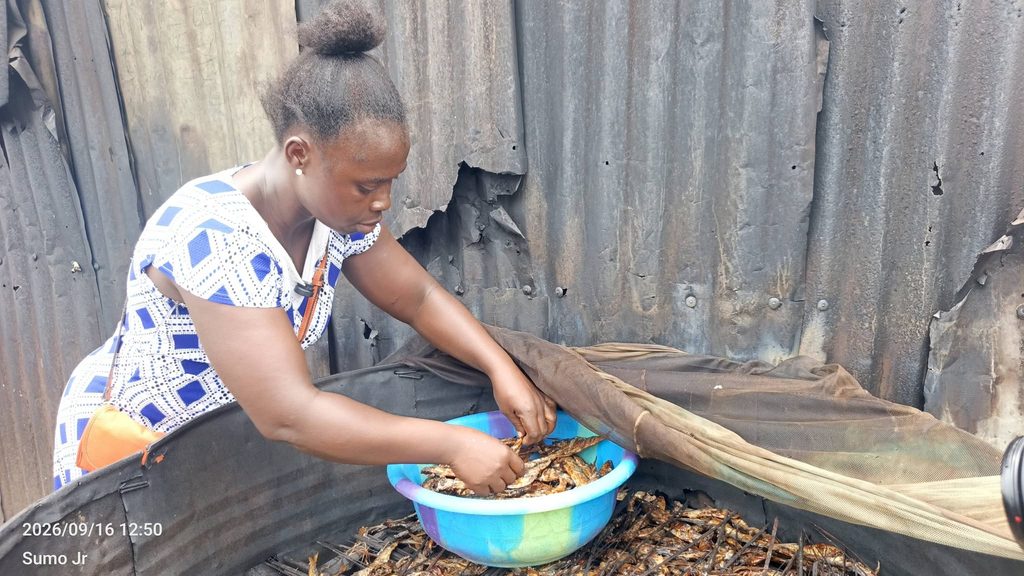
Following the recent disbursement of a US$450 grant to women fishmongers under the ProBlue pilot implemented through the REALISE Project, Alice is working to strengthen her business and improve her ability to provide for her children. Her story was followed from her fish-drying spot in West Point to her market table at Waterside Market, offering a firsthand look at how support for informal businesses can translate into practical improvements in the lives of vulnerable families.
From West Point to Waterside
At her drying spot near the beach in West Point, Alice carefully prepares her fish before transporting them to the market. The work is demanding, requiring long hours and careful handling of the fish to ensure that the products remain suitable for sale.
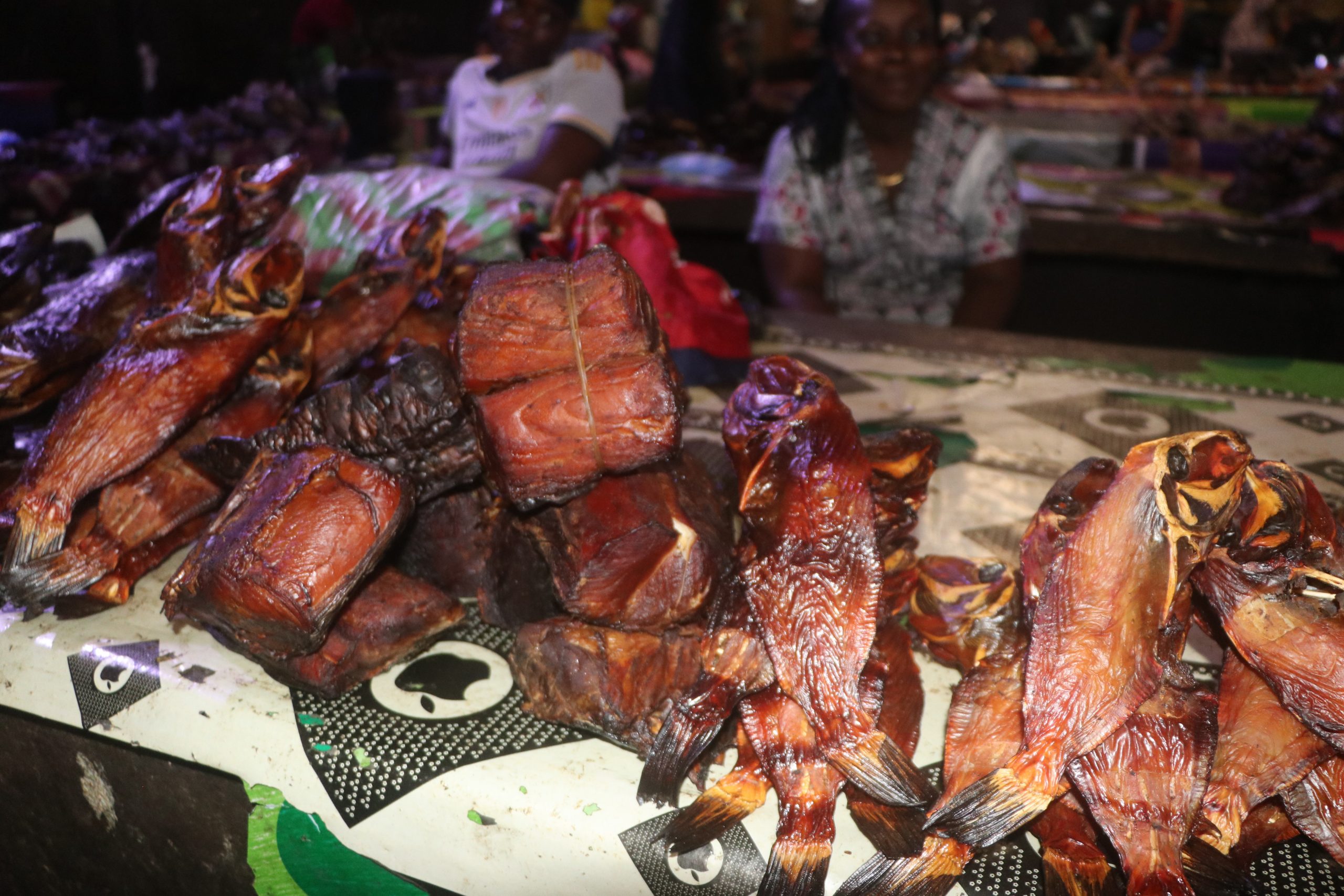
Once the fish are ready, Alice takes them to Waterside, where she sets up her market table and begins selling.
It is a routine she knows well.
But behind the business is a family that depends heavily on her income.
Alice is a mother of five children. Her husband, who previously contributed to the household, is no longer able to work because of illness. As a result, the responsibility of supporting the family has increasingly fallen on her shoulders.
For Alice, the fish business has therefore become essential to meeting her family’s everyday needs, including food, education, and other household expenses.
“This business is what I depend on to take care of my children. Since my husband is no longer able to work because of his illness, I have to work hard to support the family. The grant has given me the opportunity to strengthen my business and hope for better days ahead,” Alice said.
A Grant with a Purpose
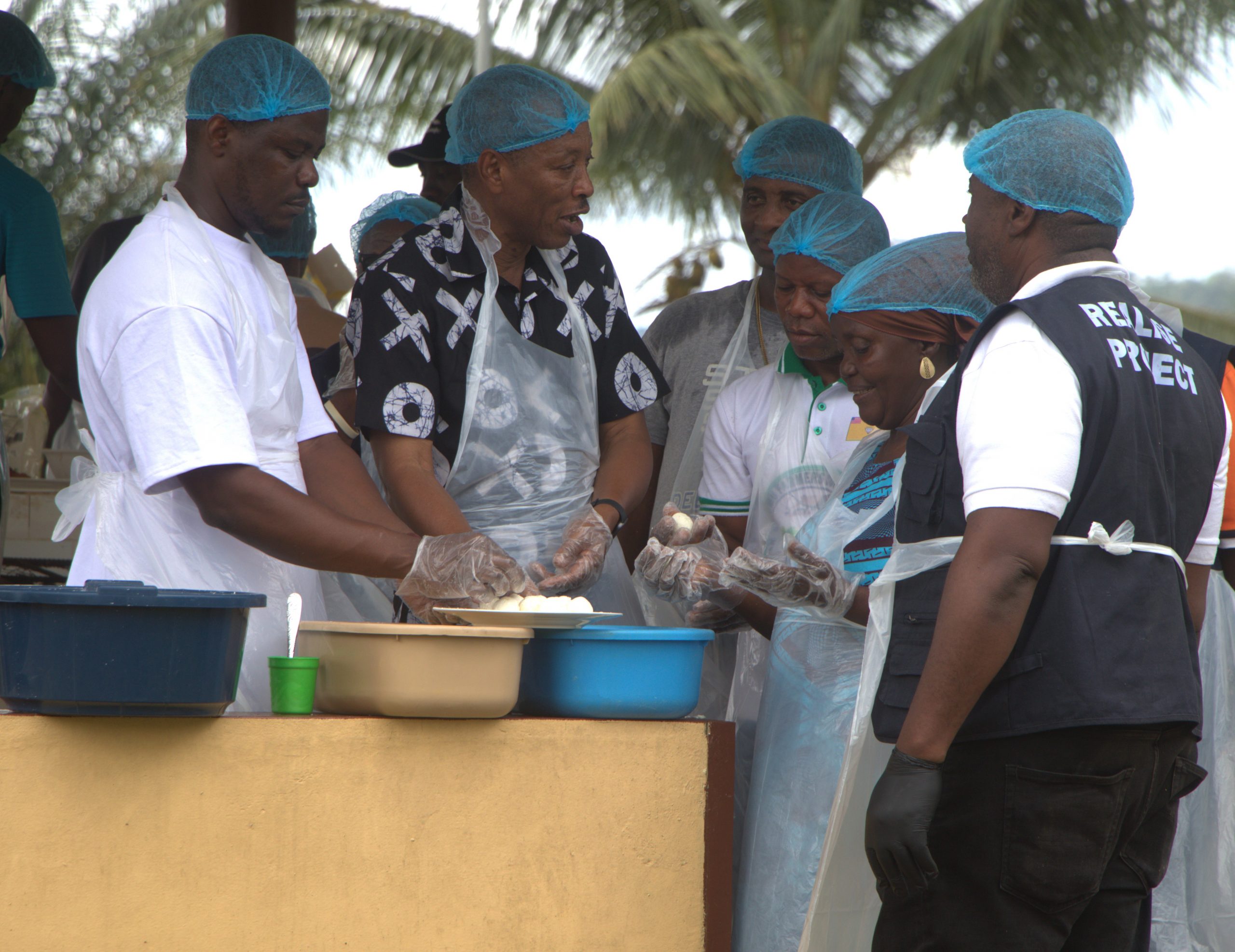
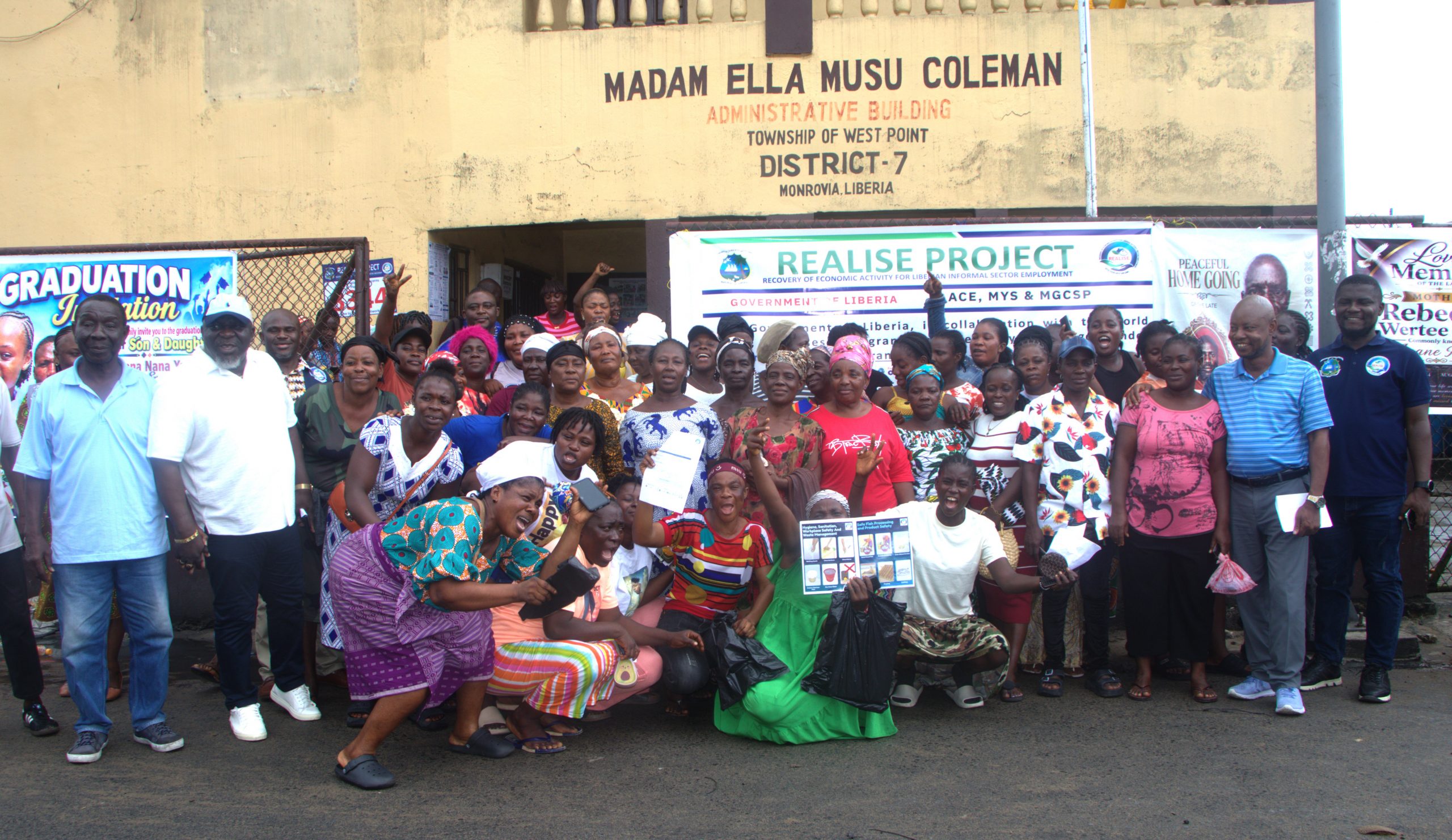
Alice is one of the women benefiting from the ProBlue pilot, an initiative supported by the World Bank and implemented through the REALISE Project to provide economic opportunities for women engaged in the fish trade. The pilot targets women fishmongers in West Point and seeks to help beneficiaries strengthen their businesses through financial support and capacity-building.
Each selected beneficiary is to receive US$900 in two tranches, alongside training intended to support better business practices and strengthen their participation in the fish value chain.
For women like Alice, the assistance comes at a time when the cost of running a small informal business can be challenging. The grant provides an opportunity to increase working capital, improve the handling and marketing of fish, and potentially expand the volume of business.
More Than a Business
As Alice moves between her drying spot and her market table, her journey illustrates an important reality for many women working in Liberia’s informal economy: a small business can represent the difference between a household struggling to meet its basic needs and a family with a more dependable source of income.
The ultimate measure of success is not simply how much fish Alice sells.
It is whether the business can continue putting food on the table and helping her children move forward.
“I want my business to grow so that I can continue taking care of my children. I am thankful for the support because it has given me something to build on. I want to use this opportunity well and make the business better,” she said.
Strengthening Women’s Economic Opportunities
The ProBlue pilot forms part of the REALISE Project’s broader efforts to expand access to income-earning opportunities for vulnerable informal-sector workers and households.
In West Point, the impact of that support is beginning to be seen through the experiences of women like Alice.
..